The Land
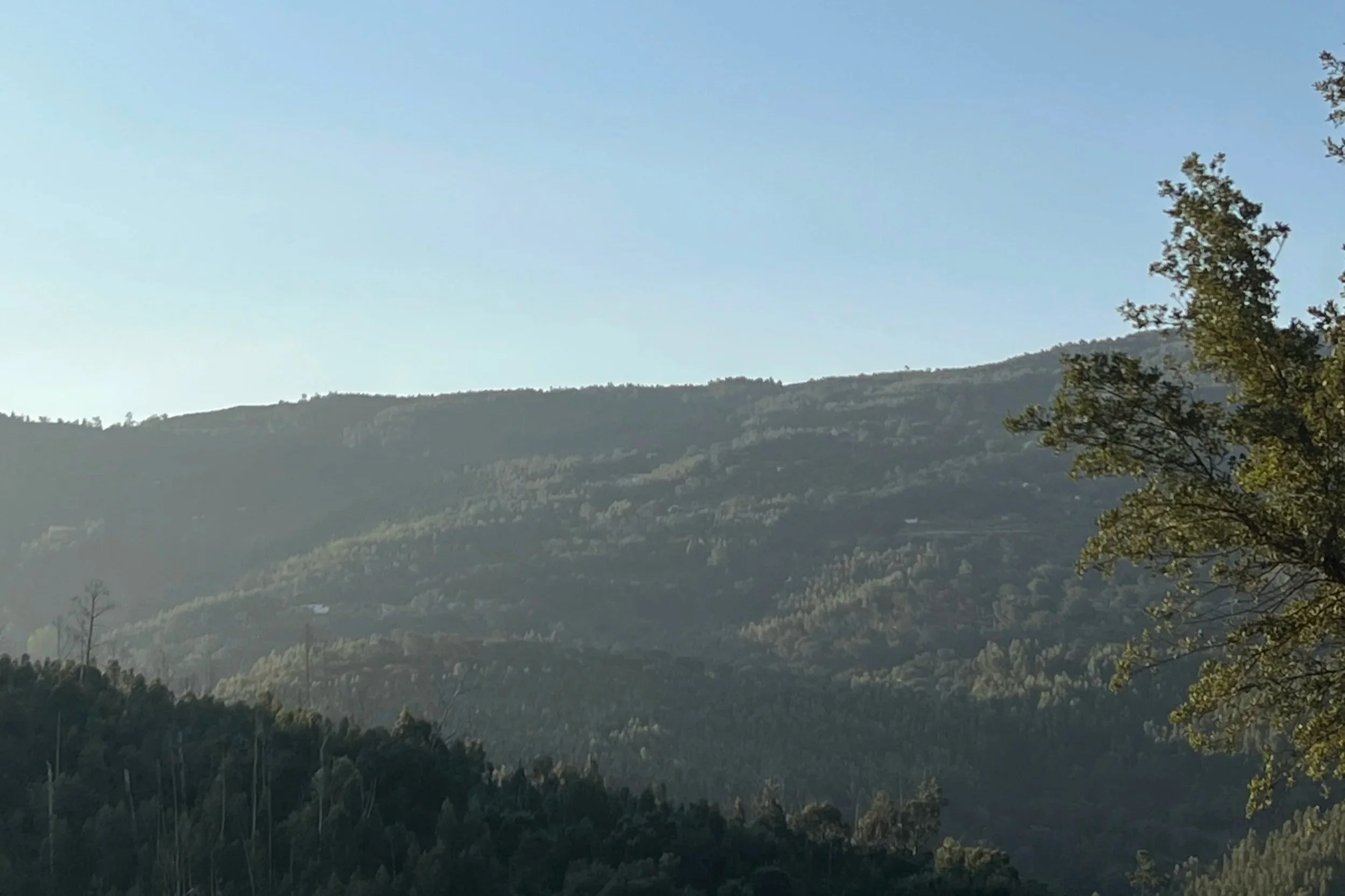
Set in the mountains of southern Portugal, this is a place shaped by nature, history and open space — slowly being brought back to life after many years left untouched.
Spread across 22 hectares, the land is filled with old terraces, narrow paths, historic stone structures and traces of a landscape that was once actively cultivated.
Cork Oaks & Biodiversity
The land at Montinho forms part of an old cultural landscape where forests, agriculture and biodiversity once existed closely alongside one another. Rather than separating nature from human use, these landscapes were traditionally shaped in ways that created habitats for both wildlife and rural life.
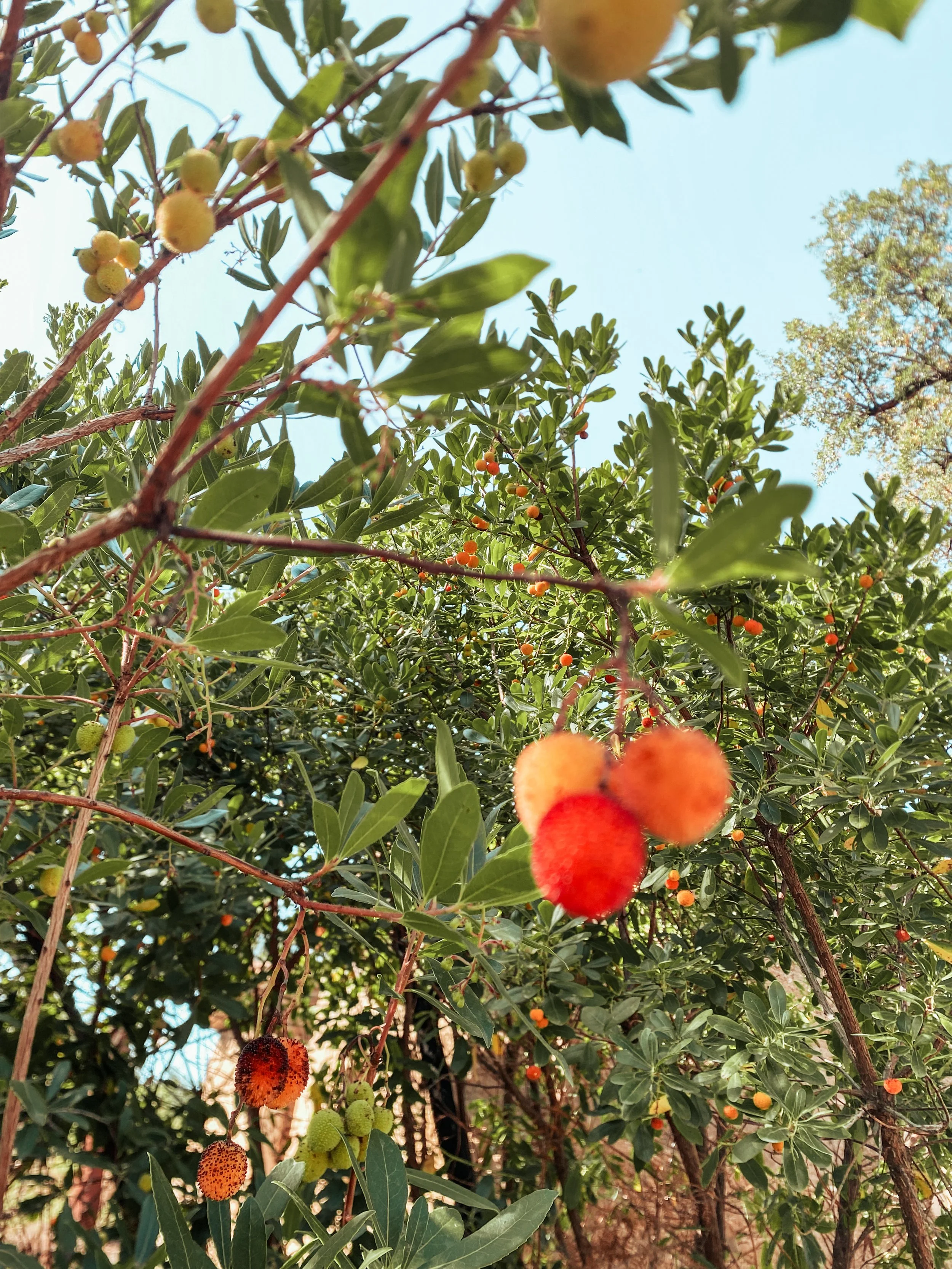
Cork oak trees remain one of the defining species of the land. Every nine years, their bark can be carefully harvested by hand without harming the tree — a centuries-old practice still visible today through the painted harvest numbers found on many trunks throughout the surrounding forests. Alongside the cork oaks, medronho trees, olive trees and native vegetation once supported the production of cork, olive oil and traditional medronho spirit.
These semi-open woodlands, terraces and mosaic-like landscapes are ecologically valuable because they create a wide variety of habitats, light conditions and food sources for native species. Today, the land continues to support a rich ecosystem of pollinators, amphibians, reptiles, birds and mammals that depend on these landscapes to survive.
As part of a protected Natura 2000 area, the surrounding habitats are home to species such as hoopoes, bee-eaters, owls, birds of prey, wild boar, foxes, otters and countless native insects and plant species. Cork oak forests in particular are considered one of the most important ecosystems in the western Mediterranean due to the biodiversity they support.
Today, part of the project focuses on slowly restoring and caring for these landscapes once again — not only as a place for people, but also as a living habitat for the species that belong here.
The Historic Landscape of Montinho
As you explore the property, you’ll come across the ruins of a small old village, traditional water structures, natural springs and old agricultural terraces.
Also a historic watermill still tells part of the story of this place. With a unique triangle shape, the mill stones still on place, the mill pond is still connected to the historical stone bridge that is not only bridge but an aqueduct, which feed the mill pond with water.
Two small rivers run through the valley, alongside natural water sources that continue to shape the terrain. Cork oak trees, olive trees, strawberry trees and many native plant species grow throughout the land — all deeply connected to the history and ecology of the region.
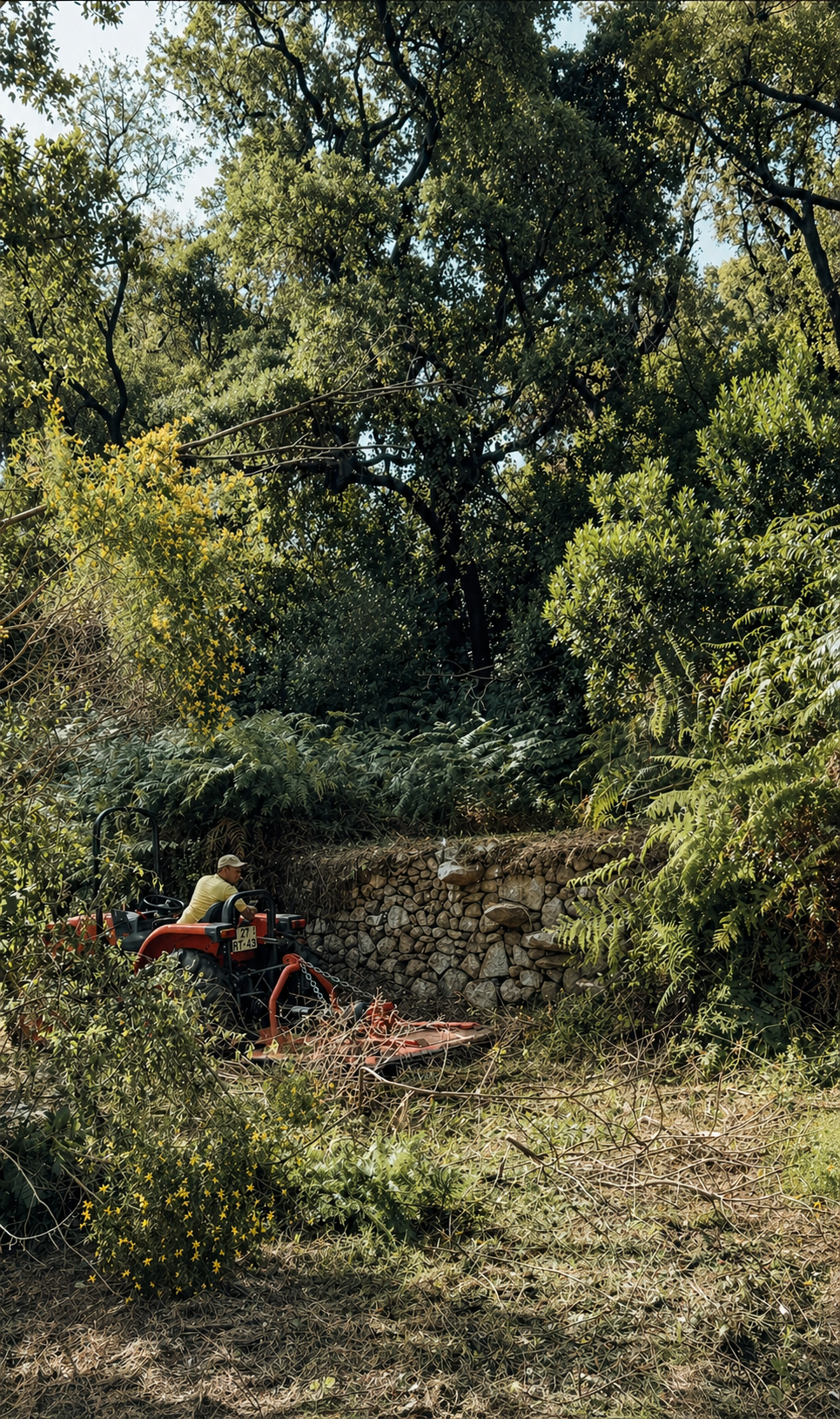
If you’re curious to learn more about the history of the land and its ongoing transformation, you can explore more about the project below.
Reconnect with your body and mind as you escape the noise of everyday life.